What Defines Luxury Sterling Silver Judaica?
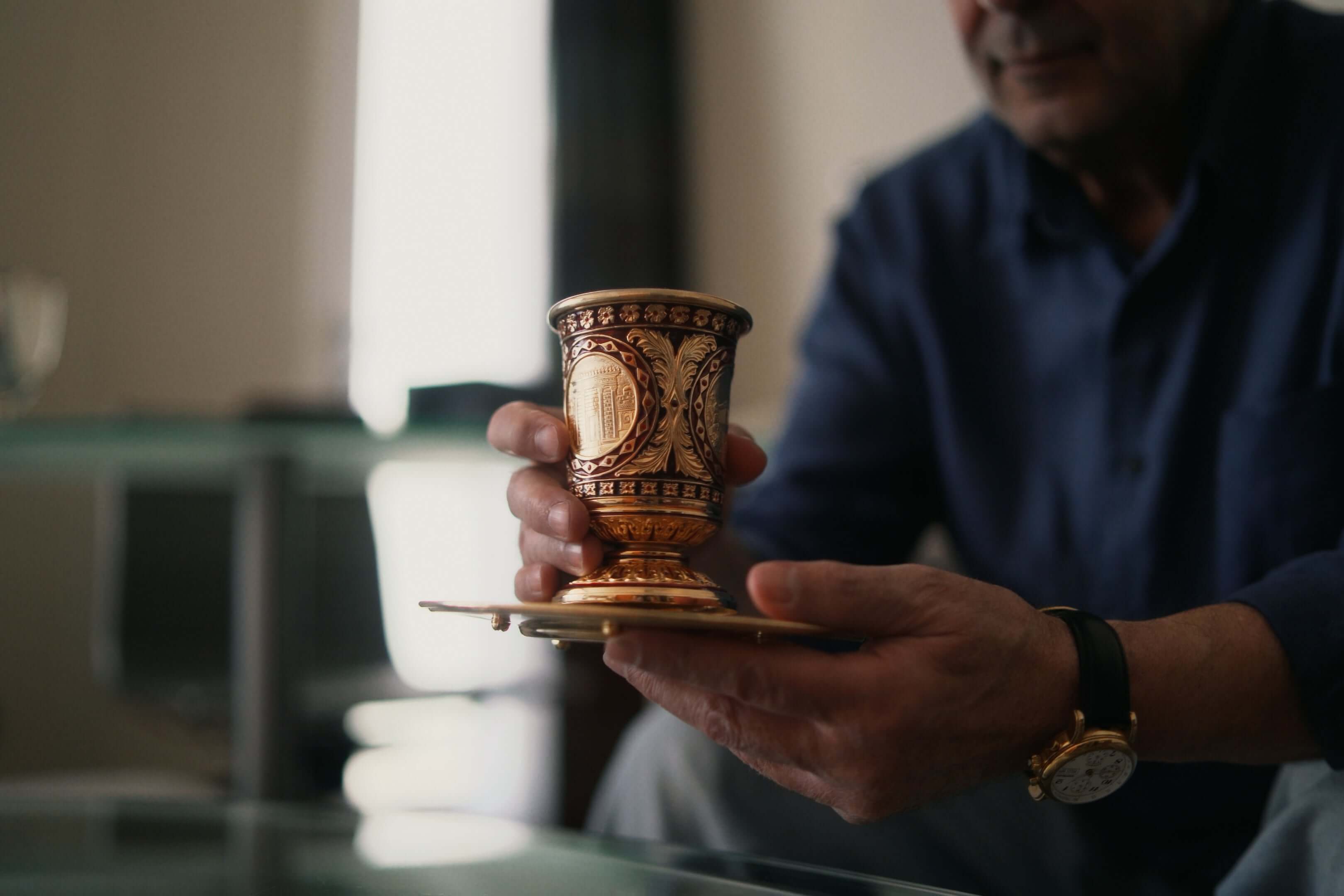
A Kiddush cup can sit on a table for decades and still say very little - or it can hold an entire family story. That distinction is what separates ordinary ritual objects from luxury sterling silver Judaica. The difference is not simply shine, weight, or price. It is the meeting point of spiritual purpose, artistic authorship, and permanence.
For discerning collectors and families, Judaica is rarely purchased as décor alone. A pair of candlesticks may mark every Shabbat in a new home. A mezuzah case may welcome generations through the same doorway. A menorah may become the object children remember first when they think of Hanukkah. In the luxury space, these pieces are chosen not only for use, but for meaning that deepens over time.
Why luxury sterling silver Judaica stands apart
Sterling silver has long held a special place in ceremonial art because it carries both dignity and restraint. Gold can feel overtly opulent. Other materials may be beautiful, but they do not always possess the same sense of lineage. Sterling silver offers brilliance without excess. It reflects candlelight, enriches the ritual setting, and ages with grace.
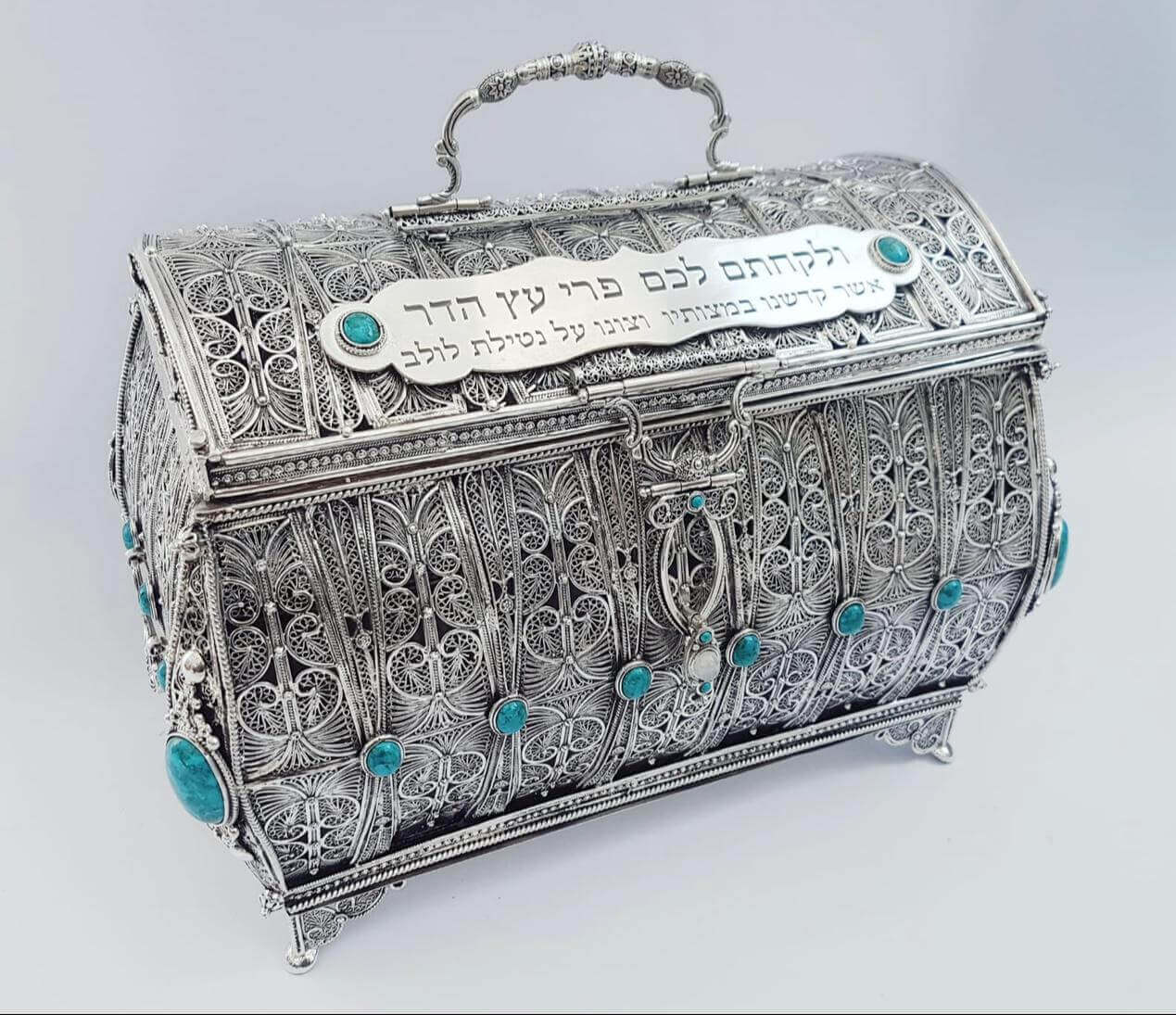
Yet material alone does not create luxury. True luxury sterling silver Judaica is defined by proportion, finish, and the hand behind the work. A master silversmith understands how a Kiddush cup should feel when lifted, how a wine fountain should command a table without overwhelming it, and how a pair of Shabbat candlesticks should read as sculpture even in stillness. These are not minor details. They are the details.
There is also a difference between production and authorship. Many silver ritual objects are made to satisfy function. Luxury pieces are made with a point of view. They carry the signature of a house, a workshop, or a maker whose standards shape every curve, engraving, and polished edge. That level of authorship gives the object cultural and artistic presence far beyond utility.
Craftsmanship is where value becomes visible
The most refined Judaica reveals its quality slowly. At first glance, a piece may appear simple. Then the eye begins to notice the balance of the silhouette, the depth of the hand finish, the precision of the decorative work, and the confidence of the form. Nothing is forced. Nothing is ornamental without reason.
This is especially true in sterling silver, where poor craftsmanship is difficult to disguise. Weak lines, uneven finishing, and shallow design become immediately apparent. By contrast, masterwork in silver feels resolved. The piece sits properly. It pours properly. It catches light properly. It feels complete from every angle.
Handcrafted work also brings subtle individuality. No serious collector expects artisanal silver to feel sterile or machine-perfect. There is beauty in the trace of the hand, provided it is guided by discipline and experience. That is what creates character rather than inconsistency.
For families investing at the highest level, this matters because luxury is not merely about appearance on the day of purchase. It is about how the object holds its integrity after years of handling, polishing, display, and celebration. Fine silver should age into the family, not out of fashion.
Design matters as much as tradition
The finest Judaica honors ritual law and custom while speaking in a contemporary design language. This is where many premium buyers become highly selective. They want pieces rooted in Jewish tradition, but they do not necessarily want visual clichés or heavy historical reproduction.
A beautifully designed menorah can feel modern without losing reverence. A mezuzah case can be minimal and still deeply expressive. A Kiddush cup can reference classical form while introducing cleaner lines, architectural structure, or bespoke engraving. The goal is not novelty for its own sake. The goal is timelessness.
This is one of the central trade-offs in the category. A very ornate piece may convey grandeur, but it can also become tied to a particular period or taste. A highly minimal object may feel fresh and elegant, but if taken too far, it can lose ceremonial warmth. The best luxury sterling silver Judaica resolves this tension. It feels current, but never temporary.
For that reason, experienced buyers often look beyond trend and ask a more valuable question: Will this piece still feel meaningful on my table in twenty years? If the answer is yes, the design is doing its job.
The emotional value of personalization
Luxury in Judaica is often most powerful when it becomes personal. A custom inscription, a family name, a date of marriage, a dedication to children or grandchildren - these transform silver from a possession into an inheritance.
Personalization should feel integrated, not added on as an afterthought. In true bespoke work, engraving, symbolic motifs, and even structural design are considered as part of the piece from the beginning. The result is more intimate and more sophisticated.
This is particularly important for life-cycle gifts. Wedding silver, anniversary commissions, synagogue dedications, and milestone family gifts carry emotional weight that standard retail objects cannot easily match. When a piece is created with a specific family, home, or occasion in mind, it acquires a singular identity. No one else owns that exact story in silver.
For many collectors, this is where luxury justifies itself most clearly. The value is not only in precious material or artistic execution, but in the fact that the object cannot be replaced by another one like it.
Which pieces become heirlooms fastest
Not every Judaica object enters family memory in the same way. Some categories naturally become heirlooms faster because they appear at the center of ritual life. Kiddush cups and Shabbat candlesticks often lead the way because they are used repeatedly in the home and become associated with weekly rhythm, hospitality, and family presence.
Menorahs hold a different kind of power. Their visual drama and annual appearance create strong emotional imprint, especially for children. A mezuzah case, by contrast, is quieter but often more constant. It stands at the threshold of family life and can carry remarkable symbolic force.
There is no single right starting point for a luxury collection. It depends on whether the buyer is building a ceremonial table, commissioning a signature gift, or establishing a set of pieces to move through generations. Some begin with a statement object. Others prefer a coordinated family of silver that creates visual harmony across the home. Both approaches can be compelling when guided by taste and intention.
What affluent buyers should look for before commissioning
At the highest end of the market, purchase decisions are rarely impulsive. Clients want to understand who made the piece, how it was made, and whether the design house can translate personal vision into lasting form.
Reputation matters. So does workshop heritage. A second-generation silversmith with decades of mastery brings a different caliber of judgment than a brand built mainly around styling. That experience shows up in proportion, fabrication quality, and the ability to guide a client away from choices that may seem attractive in the moment but will not age well.
The commissioning process should also feel collaborative and clear. A luxury client should expect thoughtful discussion around ritual use, scale, design references, inscription, finish, and presentation. If the process is rushed, the result often is too.
This is where a house such as Piece by Zion Hadad holds particular distinction. When a master craftsman treats Judaica not as inventory but as legacy work, the conversation changes. The object becomes more than a purchase. It becomes an exclusive creation shaped around the family who will live with it.
Luxury sterling silver Judaica as a legacy purchase
The most exceptional ritual objects do not need to announce themselves loudly. They are felt in the hand, recognized across a room, and remembered long after the occasion ends. They bring beauty to observance, but also gravity.
Luxury sterling silver Judaica belongs to a rare category of purchase because it satisfies both the present and the future. It elevates the home now, enriches the ritual experience now, and carries forward as an heirloom later. Few objects manage all three.
When chosen well, sterling silver Judaica becomes part of family language. It appears in blessings, celebrations, photographs, and memory. That is why the finest pieces are never only about silver. They are about continuity - crafted with enough beauty to deserve being kept.